 Skip to content
Yes, and it's running at retail rather than only at source. Best Buy has Labor Day pricing on the Nest Learning Thermostat 4th gen with a temperature sensor at $239.99 for $40 off, the basic Nest Thermostat at $99.99 for $30 off, and the Nest Cam Indoor 3rd gen at $86.99 against $129.99. Black Friday goes deeper on the cameras, but the thermostat pricing right now is close to as low as it gets.
Before you compare camera prices, work out the subscription, because it costs more than the hardware over any reasonable ownership period. Google Home Premium, which is what Nest Aware became, is $10 a month or $100 a year for 30 days of event video, intelligent alerts and familiar faces, or $20 a month and $200 a year for 60 days of events plus 10 days of 24/7 history on cameras and wired doorbells. One subscription covers every device in the house rather than each camera, which is the detail that makes a multi-camera setup affordable and a single camera expensive.
Shop Nest Thermostats
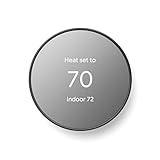
The one Nest device that pays for itself, and the numbers are more modest than the advertising. Google's own real-world figures are 12% off heating bills and 15% off cooling, based on studies across 41 states and reassessed in 2024. The much larger "up to 31%" you sometimes see compares against holding a house at a constant 72 degrees, which nobody does. Even at 12 and 15 percent, a $99 thermostat is the cheapest energy upgrade in most homes.


When Nest Devices Actually Go On Sale
Nest follows electronics pricing on the cameras and heating-season pricing on the thermostats, which gives you two separate calendars in one brand.
| When | What to expect |
|---|---|
| Black Friday and Cyber Monday | The annual low across the range, and the only week the cameras and doorbells get properly cut rather than trimmed. Multi-camera bundles show up here too. |
| Autumn, as heating season starts | The thermostat window. Retailers discount them into the first cold snap, and many utilities add a rebate on top that can cover most of the purchase. Check your utility before you check the price. |
| Right now, over Labor Day | Genuinely active on thermostats. Best Buy has $30 to $40 off across the line and the cameras are down $30 to $43. Worth taking if you want the thermostat installed before the weather turns. |
| Whenever a generation is replaced | The outgoing model drops hard and keeps the same subscription and the same app. Nest hardware changes slowly, so a previous-generation camera is doing the same job for less. |
| Any time, on used thermostats | The most overlooked route. A pre-owned 3rd-generation Learning Thermostat runs under $40 and a 4th-generation around $100, and a thermostat has no battery to wear out. |
| Spring and early summer | The dead zone for thermostats, because nobody thinks about heating. Camera pricing stays flat here too, so there's rarely a reason to buy in this stretch. |
What Actually Counts as a Good Nest Deal
Price the hardware and the subscription together, because on cameras the second number quickly overtakes the first.
- Nest Thermostat under $100. Best Buy has it at $99.99 against $129.99. The entry model does the scheduling and the remote control, which is where most of the saving comes from.
- Nest Learning Thermostat under $240. The 4th generation with a temperature sensor is $239.99 against $279.99 at both Best Buy and the Google Store. The sensor matters if one room is always the cold one.
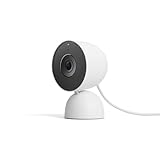
- Nest Cam Indoor under $90. The 3rd-generation wired camera is $86.99 against $129.99. Wired rather than battery is the right choice indoors, because charging a camera gets old fast.
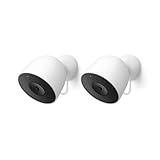
- Nest Cam Outdoor under $200. The wired 2nd-generation model sits at $199.99. Battery versions cost less up front and more in effort.
- Used 3rd-gen Learning Thermostat under $50. Around $38.99 pre-owned with hundreds of units sold. A thermostat has no battery and no moving parts worth worrying about.
Shop Nest Cams
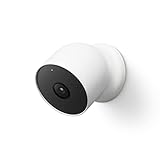
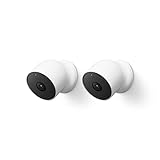
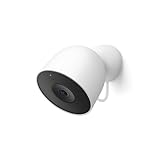
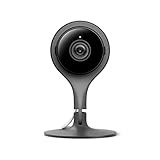
Wired or battery is the only decision that really matters. A wired camera never needs taking down, records continuously if you pay for the higher subscription tier, and is the obvious choice anywhere near an outlet. A battery one goes where no cable reaches and asks for a recharge every few months, which people underestimate. Every Nest camera does on-device person, animal and vehicle detection without a subscription, so the free tier is genuinely usable for alerts, and what you pay for is history.



Shop Nest Doorbells
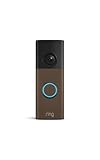
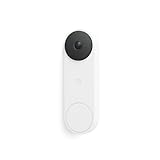
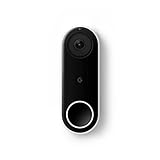
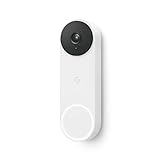
The device in this range most people should own first, because a doorbell is a camera that also solves a problem you have every week. The wired version uses your existing chime wiring and never needs charging; the battery version installs anywhere in ten minutes and is the answer for a rental or a house with no doorbell wire. Both give you package detection and familiar faces on the paid tier, and both still send you a notification with a snapshot if you pay nothing at all.





Shop Nest Wifi
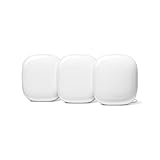
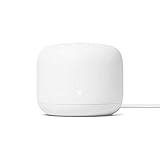
Mesh Wi-Fi, and the thing that quietly makes every other device on this page work properly. A single router in a corner of the house is why cameras drop out and doorbells lag; a mesh system puts a second and third node where the signal actually dies. The Pro model runs Wi-Fi 6E, which adds a much less crowded band and matters most in an apartment building where every neighbor is fighting for the same airspace. The older AC2200 units are cheap now and still fine for a small house.








Shop Nest Speakers and Displays
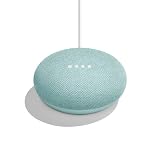
The Google side of the smart speaker argument. The Nest Mini is the cheap puck for a bedroom or a bathroom, the Nest Audio is the one that sounds like a speaker rather than a gadget, and the Nest Hub adds a screen for the kitchen. The reason to buy these rather than the alternative is if the rest of your house is already Google: the cameras, the doorbell and the thermostat all answer to the same assistant and show up on the same display without any setup.





Where to Shop Google Nest
Worth checking beyond Amazon, because the retailers are running the holiday pricing and the used thermostat market is unusually good.
How to Pick the Right Nest Setup
Start with the thermostat, because it's the only one that pays you back. Google's real-world figures are 12% off heating and 15% off cooling, and the company puts total user savings at around $14 billion and 200 billion kilowatt hours since 2011. Treat the "up to 31%" claim carefully, though, since it compares against holding a house at a flat 72 degrees rather than against a normal schedule.
Check your utility for a rebate before you check the price. Plenty of energy companies subsidize smart thermostats directly, sometimes covering most of the cost, and the rebate stacks on top of whatever the retailer is doing. This is routinely worth more than the sale and almost nobody looks.
Price the subscription over three years, not one month. Google Home Premium is $100 a year at the standard tier and $200 at the advanced one, and a single subscription covers the whole house. That makes the second, third and fourth camera much cheaper than the first, and it means a lone camera carries the full running cost on its own.
Choose wired over battery wherever a cable can reach. Battery cameras and doorbells are wonderful for the ten minutes it takes to install them and tiresome every few months after that. Wired units also unlock the continuous 24/7 recording on the advanced tier, which battery ones can't do.
Fix the Wi-Fi before you add more cameras. Most Nest complaints are network complaints wearing a costume: dropped feeds, laggy doorbells, notifications that arrive after the visitor left. A mesh system in the right places solves more of that than a newer camera ever will.
Google Nest Sale FAQ
The Bottom Line
Buy the thermostat first, because it's the only device here that hands money back: 12% off heating and 15% off cooling by Google's own real-world numbers, before any utility rebate. Then, if you're adding cameras, price the subscription over three years rather than one month, since $100 or $200 a year covers the whole house and quickly outweighs the hardware. Go wired wherever a cable reaches, sort the Wi-Fi before adding more devices, and look at used thermostats, which are unusually safe secondhand. Right now Best Buy is $30 to $43 off across thermostats and cameras, which is a fair moment to start.
