 Skip to content
It’s fine, though protein powder doesn’t really have a season the way grills and mowers do. It’s a consumable, so it’s promoted more or less constantly, and the deepest discounts cluster in January when everyone has resolutions rather than around summer holidays. The more useful thing to know is that the sale price is rarely where the savings are. Buying the larger tub and using a subscription discount will usually beat whatever percentage is advertised this weekend, and the number that actually matters isn’t the price on the tub at all.
Protein powder is unusually easy to overpay for, because tubs come in different sizes, scoops come in different sizes, and the protein per scoop varies a lot between products that look identical on a shelf. Below you’ll find live pricing sorted so the biggest markdowns sit at the top, plus the one calculation that lets you compare any two tubs honestly.

The Best-Selling Protein Powders Right Now
The current bestsellers, priced lowest first. Anything actually discounted carries a sale badge, and protein is promoted often enough that it’s worth checking back.

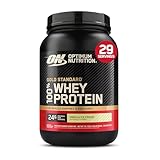

The Only Number That Compares Two Tubs
Protein is priced to make comparison hard. Work through these in order and the genuinely cheaper option becomes obvious in about a minute.
| What to Check | Why It Matters |
|---|---|
| Cost per gram of protein | Divide the price by the total grams of protein in the tub, not by the number of servings. This is the only number that compares two products fairly, and it regularly reverses which one looks cheaper. |
| Protein per scoop | Anywhere from about 20 to 30 grams is normal. A tub advertising more servings often just has a smaller scoop, so servings alone tell you very little. |
| Total tub weight | A 2 lb and a 5 lb tub of the same product rarely cost proportionally, and the larger one is almost always better value per gram. Buy the big one if you’ll get through it. |
| Subscription pricing | Most direct brands take a further cut for a recurring order, and it usually beats the holiday sale price. You can cancel after one delivery. |
| Third-party testing | Supplements aren’t pre-approved before sale, so independent lab testing is the meaningful quality signal. Transparent Labs and Legion both publish results through LabDoor. |
What Actually Counts as a Good Protein Deal
The differences between protein types are real but narrower than the marketing suggests, and most of them come down to cost per gram and whether you’ll actually drink it.
- Concentrate is the value pick: Whey concentrate is roughly 70 to 80 percent protein by weight, costs the least per gram, and is what most people should buy unless they have a specific reason not to.
- Isolate costs more for a narrow reason: It’s filtered further, so it’s higher in protein per gram and much lower in lactose. Worth it if dairy bothers you or you’re counting carbs closely, and largely wasted money if neither applies.
- Plant blends need to be blends: Single source plant proteins have gaps in their amino acid profile. Pea and rice together, or a multi source blend, solves that, which is why almost every good plant powder mixes several.
- Watch the ingredient list length: A protein powder needs protein, a flavor, a sweetener and usually a thickener. Long lists of added extras tend to mean less protein per scoop and a higher price per gram.
- Flavor is worth paying attention to: It’s the single commonest reason a tub gets abandoned half full, which makes it the most expensive mistake in the category. Buy a sample or the smallest size of a new flavor first.
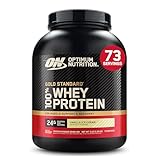
Shop Whey Protein Powder
Concentrate and blends. The default choice for most people, the best value per gram, and the group with the widest flavor selection.


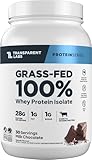
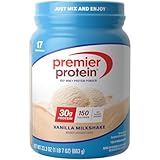


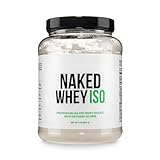
Shop Whey Isolate
Filtered further for more protein per gram and less lactose. Worth the premium if dairy is a problem for you, optional if it isn’t.



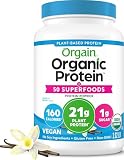
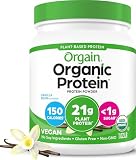
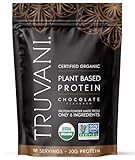
Shop Plant-Based Protein
Pea, rice, soy and multi source blends. Look for a blend rather than a single source, and expect a heavier texture than whey.







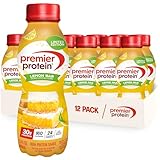
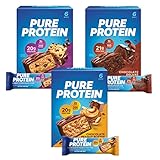
Shop Protein Bars and Shakes
Convenient and considerably more expensive per gram of protein than powder. Useful when you’re out, poor value as your main source.




Where to Buy Protein Powder
Buying direct from the maker is often cheaper than a retailer here, because subscription pricing usually beats the advertised sale. These five cover the range from budget to lab tested.
How to Pick the Right Protein Powder
You just want more protein in your day: Whey concentrate in a large tub, in a flavor you know you like. It’s the cheapest per gram and the easiest to mix into anything.
Dairy doesn’t agree with you: Whey isolate first, since the filtering removes most of the lactose. If that still causes trouble, move to a multi source plant blend rather than a single source one.
You’re vegan or avoiding dairy entirely: A blended plant protein, ideally pea with rice or a multi source mix, so the amino acid profile is complete. Expect a thicker texture and plan to blend rather than shake.
You’re watching carbs or sugar closely: Isolate, and read the label rather than the front of the tub. Added sweeteners and thickeners vary far more between products than the protein itself does.
You keep abandoning half-finished tubs: Buy the smallest size of any new flavor before committing to a five pound tub. A cheap protein you won’t drink is the most expensive one on the shelf.
Protein Powder Sale FAQ
The Bottom Line
Work out the cost per gram of protein before anything else, because tub sizes and scoop sizes are designed to make that comparison awkward. For most people whey concentrate in the largest tub of a flavor you actually enjoy is the right answer, and a subscription discount will usually beat this weekend’s sale price. Pay up for isolate only if dairy bothers you or you’re counting carbs, choose a blended plant protein rather than a single source one, and if you’re trying a new flavor, buy small first.
