 Skip to content
It sits just ahead of the best window. September is National Sewing Month, a designation that dates back to 1982, and retailers and dealers build promotions around it, so the back half of this month into September is when this category actually moves. Labor Day Weekend catches the front edge of that. The one thing to watch is that percentage-off claims here are frequently measured against inflated reference prices, so compare the actual dollar figure against the manufacturer’s own site before believing a headline number.
Two things matter more than any spec on the box. The first is that a machine advertising two hundred stitches isn’t meaningfully better than one with twenty, and independent lab testing bears that out. The second is the warranty, where a big number on the front rarely means what people assume. Below you’ll find live deals, an honest read on both, and a note on where to buy now that the craft retail landscape has changed.

Sewing Machine Deals On Sale Right Now
Every one of these is discounted right now, cheapest first.


The Specs That Actually Matter
Stitch count sells machines. These are the numbers that decide whether you keep using one.
| Spec | What the Box Says | What It Actually Means |
|---|---|---|
| Built-in stitches | "200 stitches", "97 stitch applications" | Marketing. In lab testing a 600-stitch machine scored the same as a 185-stitch one. Most sewing uses straight, zigzag, blind hem and a buttonhole. The "applications" figure is settings variations, not stitches. |
| The warranty | "25 year warranty" | Read the tiers. On the major brands the 25 years covers the chassis casting only. Electronics get around five, and the machine itself, parts and labor, is commonly one year. Motors, belts and needle threaders are excluded as wear items. |
| Metal vs plastic frame | "All metal construction" | Even vintage machines used plastic internals. What metal really buys is mass, and mass reduces vibration. A heavier machine with a stronger motor sews better than a light one, whatever the shell is made of. |
| Stitches per minute | "1,100 SPM" | Matters for long straight seams like quilting or curtains, and barely at all for garment detail. A speed limiter slider is more useful to a beginner than a high top speed. |
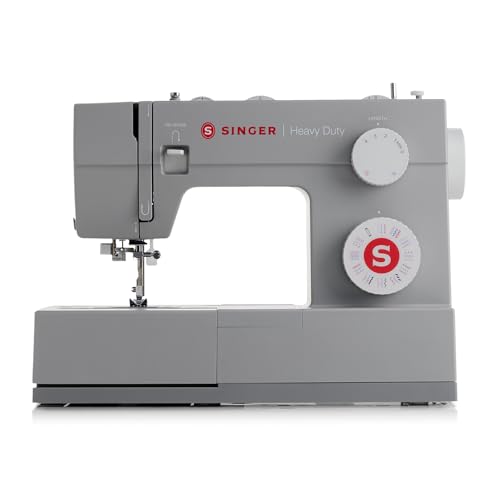
| "Heavy duty" | A badge, not a standard | Check the presser foot lift height in millimetres, whether it takes a walking foot, and the motor rating. Those decide whether it sews denim. The words on the front do not. |
What Actually Counts as a Good Sewing Machine Deal
Before the price, five things worth checking:
- Buy from an authorized dealer, or the warranty may not exist. Brother, Janome and Bernina all condition coverage on purchase through an authorized reseller, and Janome’s is explicitly non-transferable. A cheaper marketplace listing can be a machine with no warranty at all.
- Check the reference price, not the percentage. A machine listed at "51 percent off" was priced identically to the manufacturer’s own everyday price on its own site. The discount was against a number nobody charges.
- Count the buttonhole styles, not the stitches. One-step buttonholes, drop feed for free-motion work, and adjustable presser foot pressure are real capability differences. The stitch menu mostly is not.
- The needle threader is the first thing to break. Repair techs name it as one of the most common faults, it can’t be straightened once bent, and it’s excluded from most warranties as a wear item.
- A serger is an addition, not an upgrade. It trims and overlocks edges beautifully and can’t sew a straight seam, a zipper or a buttonhole. Buy a sewing machine first.
Sewing Machines On Sale
Mechanical and computerized models discounted right now.

Sergers and Quilting Machines On Sale
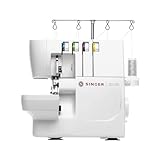
Sergers finish edges and sew knits properly. Quilting machines add throat space and speed for long straight runs.

Where to Shop Sewing Machines
Where you buy changed in 2025. Joann liquidated all of its roughly eight hundred stores, and Michaels bought the brands but not the shops, adding Brother and Singer machines to its own assortment. The independent dealer channel has thinned too. These four are stocked right now.
How to Pick the Right Sewing Machine
You’re learning. A computerized machine in the entry tier, and use the speed limiter. Ignore the stitch count and check that it does a one-step buttonhole, because that’s the feature beginners actually reach for.
You mend and alter clothes. Almost any machine will do it. Spend the money on a good pair of shears and a professional service instead, and buy the lightest machine you’ll actually take out of the cupboard.
You sew garments in knit fabrics. This is where a serger earns its place, alongside a sewing machine rather than instead of one. Look for differential feed, which is the setting that stops knits stretching out as they feed.
You quilt. Throat space and speed matter more than stitch variety, and a straight-stitch-only machine at 1,500 stitches a minute will beat a do-everything model. Check for a knee lifter and a walking foot.
You sew denim, canvas or leather. Check the presser foot lift height in millimetres and whether it takes a walking foot. Weight and motor rating matter here, and the words heavy duty on the front do not.
Sewing Machine Sale FAQ
The Bottom Line
Ignore the stitch count, read the warranty tiers, and check who you’re buying from. A machine advertising hundreds of stitches performs no better than one with twenty in independent testing, the impressive-sounding twenty-five year coverage usually applies to the metal casting rather than the machine, and several brands void the warranty entirely if you buy outside their dealer network. Weight and motor strength beat any badge that says heavy duty. Buy now and you catch the front of the September promotional season, and if you’re choosing between a fancier machine and a plainer one from a proper dealer, take the dealer.
