 Skip to content
Yes, and it’s one of the two best windows of the year. E-bikes follow the outdoor calendar, so once riding season starts winding down retailers begin clearing stock rather than storing bulky boxes through winter. New model years also land in autumn, which pushes the outgoing range down further. Before you compare prices though, there’s one thing worth checking on every bike you consider, and it isn’t the motor or the range. It’s whether the battery is certified to UL 2849, because that’s the difference that matters most and the cheapest listings are the ones most likely to skip it.
Electric bikes are sold on motor wattage and top speed, which are the two numbers least likely to tell you whether you’ll enjoy riding one. Below you’ll find live pricing sorted so the biggest markdowns sit at the top, a plain explanation of the class system that decides where you’re legally allowed to ride, and the specs that actually determine range.

Electric Bike Deals On Sale Right Now
Every one of these is discounted right now, priced lowest first.


The Class System Decides Where You Can Ride
This is the first thing to check and the thing most listings mention last. Class is a legal category, not a marketing tier.
| Class | What It Means |
|---|---|
| Class 1 | Pedal assist only, no throttle, cuts out at 20 mph. The most widely permitted type, and usually the only class allowed on shared paths and bike trails. |
| Class 2 | Adds a throttle you can ride without pedalling, still capped at 20 mph. Popular and convenient, but some trail networks exclude throttles entirely. |
| Class 3 | Pedal assist up to 28 mph, no throttle in most states. Fastest legal class for road and bike lane use, and often restricted from multi-use paths. |
| Out of class | Anything over 28 mph or above 750 watts is generally not a legal e-bike in the US, and may count as a moped needing registration and a licence. |
| Why it matters | Your local rules are written around these classes. Buying a bike whose class is banned where you actually want to ride is a costly mistake that specs alone won’t warn you about. |
What Actually Counts as a Good E-Bike Deal
This is a category where the cheapest listing is sometimes cheap for reasons that matter. These are the checks worth doing before price enters into it.
- UL 2849 certification is the one to insist on: It’s the safety standard covering the battery, charger and electrical system together. Battery fires are a genuine risk with uncertified cells, and several cities now restrict uncertified e-bikes. Don’t treat this as optional.
- Watt hours tell you range, watts do not: Motor wattage is power, battery watt hours are fuel. A 500 Wh battery on a modest motor will out-range a 750 watt motor with a small pack every time. Range claims in listings assume flat ground, low assist and a light rider.
- Mid-drive versus hub motor: Hub motors are cheaper and fine on flat routes. Mid-drive motors use the bike’s gears, so they climb far better and feel more natural, at a higher price and with more drivetrain wear.
- Weight is the spec people forget: Most e-bikes weigh 50 to 70 pounds. If you need to carry it up steps or lift it onto a rack, that number matters more than any performance figure.
- Check who services it: Direct to consumer brands are cheaper and leave you to sort repairs. Buying from a shop that will assemble and service it is worth real money on a machine this complex.
Commuter and City E-Bikes On Sale
Racks, fenders, lights and upright riding positions. The group that actually replaces short car trips, which is where an e-bike earns its money back.


Fat Tire and Off-Road E-Bikes On Sale
Wide tires for sand, snow and trails. Heavier and less efficient on pavement, and the most fun of the lot if you actually ride off road.


Folding E-Bikes On Sale
For apartments, trunks, campers and boats. The fold costs you some stiffness and adds weight, and for anyone short on storage it’s the only option that works.


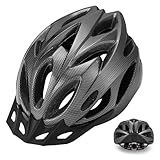
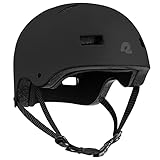
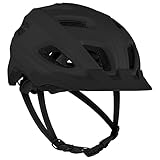
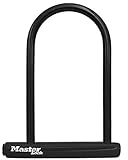
Helmets, Locks and Accessories On Sale
An e-bike is faster and heavier than a regular bike and a much more attractive target for thieves. Neither of these is where to economize.







Where to Shop Electric Bikes
Who you buy from matters more than usual on an e-bike, because assembly, servicing and warranty support are the difference between a bike you ride and a bike you argue with.
How to Pick the Right E-Bike
Replacing short car trips: A Class 1 or 2 commuter with a rack, fenders and lights already fitted. Buying those separately costs more and never looks as tidy.
Your route has hills: Pay for a mid-drive motor. Hub motors struggle on gradients, and the difference is obvious within the first week rather than something you get used to.
You live in an apartment or lack storage: A folding model, and check the folded dimensions rather than trusting the word compact. Also check the weight, because you’ll be carrying it.
You want to ride trails and paths: Class 1, without a throttle. It’s the class most likely to be permitted where you actually want to ride, and the rules are enforced.
You’re shopping mainly on price: Set UL 2849 certification as a hard requirement and compare only bikes that have it. That single filter removes most of the genuinely risky options.
Electric Bike Sale FAQ
The Bottom Line
An e-bike is the rare purchase where the boring specs matter more than the exciting ones. Check the battery certification first and the class rating second, because those two decide whether the bike is safe to charge indoors and legal to ride where you actually want to ride. Commuters get the most out of a rack and fender build, folding bikes solve a storage problem nothing else solves, and fat tires are worth the extra weight only if you’ll really take them off pavement. Labor Day weekend is when the model year clearance starts, so a bike that’s genuinely cut right now is probably at its low point for the season.
