 Skip to content
The hardware is discounted this weekend, but there’s a bigger piece of news that changes the math. The federal tax credit for home charging equipment ended on June 30, 2026 under legislation signed the previous July, so the thirty percent credit worth up to a thousand dollars is no longer available on anything installed after that date. What’s left is state and utility rebates, and several of those require a specific certification. Buying now means the sale price is the whole saving, so it’s worth shopping harder than you’d have last year.
The other thing worth settling before you spend is the plug. North America is midway through a connector change, and which one you buy depends entirely on what’s in your driveway today. Below you’ll find live deals, a straight comparison of the two connectors and the amperage your house can actually support, and an honest note on where the subsidies now stand.

EV Charger Deals On Sale Right Now
Every one of these is discounted right now, cheapest first.


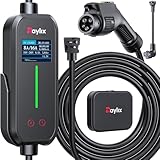
The Plug and the Amperage
Two decisions, and everything else follows from them.
| Decision | What to Know | What to Do |
|---|---|---|
| Level 1 or Level 2 | Level 1 plugs into a normal outlet and adds roughly 5 miles of range an hour. Level 2 runs on 240 volts and adds around 25. | If the car is your daily driver, Level 2. Level 1 only works if your commute is short. |
| J1772 or NACS | J1772 is the long-standing standard and fits every non-Tesla built through 2024. NACS is the Tesla plug, now standardised as SAE J3400, and newer models from Hyundai, Kia, Rivian, Toyota and others ship with it. | Buy the connector that matches the car you own now. The same charger is usually sold in both plugs at the same price. |
| Adapters between them | They work, and since 2025 there has been a safety standard covering them. Certified adapters now exist in both AC directions. | Fine as a hedge, but buy the right plug rather than planning around a dangling adapter. |
| How many amps | Chargers are continuous loads, so the breaker must be rated 125 percent of the output. A 40 amp charger needs a 50 amp circuit and a 48 amp charger needs a 60. | Most 200 amp homes handle 40 to 48 amps. Most 100 amp services can’t without help. |
| Plug-in or hardwired | A NEMA 14-50 receptacle tops out at 40 amps continuous. Above that’s hardwired only. A garage receptacle also needs GFCI protection, which adds a few hundred dollars and is a common cause of nuisance tripping. | Hardwire unless you genuinely need to take it with you. It’s often the cheaper install. |
If your panel can’t take a 48 amp circuit, you don’t necessarily need a service upgrade. Nearly every charger at that rating can be dialled down to 40, 32 or 24 amps in software, and load management systems that throttle the charger against whole-house demand are now recognised in the electrical code.
What Actually Counts as a Good EV Charger Deal
With the federal credit gone, the purchase has to stand on its own. Check these before the price:
- The federal 30C credit has ended. It covered 30 percent of hardware and installation up to a thousand dollars for a home, and it expired for anything placed in service after June 30, 2026. Any page still promising it’s out of date. Don’t budget around it.
- Chase the utility rebate instead. These are now the meaningful subsidy, and many run several hundred dollars or more. The catch is that programmes frequently require an Energy Star certified, safety-listed charger and sometimes an approved installer, so check your utility’s conditions before you buy the hardware rather than after.
- Safety listing isn’t optional. Look for a nationally recognised testing laboratory mark, which in practice means UL or ETL. Rebate programmes screen for it and so does your electrical inspector.
- Cable length is the spec people regret. Twenty five feet gives you room to park either way round or reach a second bay. A short cable is the cheapest way to make a good charger annoying.
- Add the install to the price. The charger is often the smaller number. A dedicated 240 volt circuit, a permit and an electrician can easily match or exceed the hardware, and a plug-in install may cost more than hardwiring once the GFCI breaker is counted.
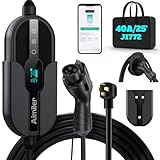
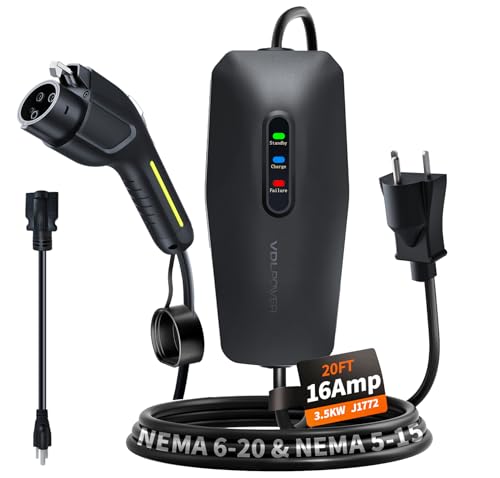
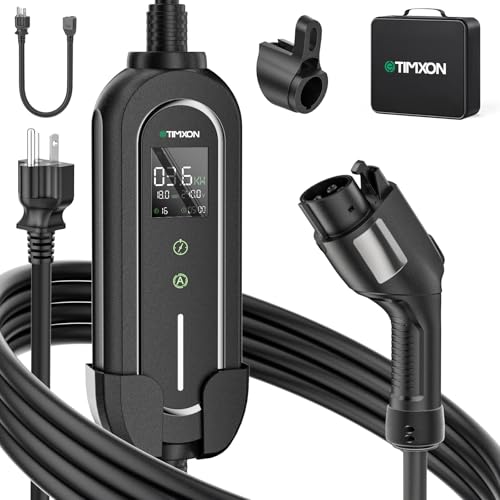
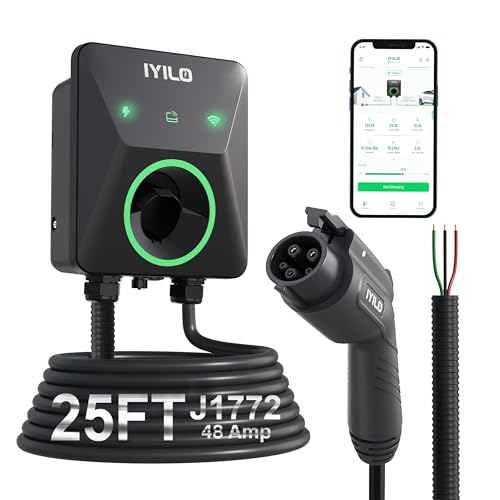
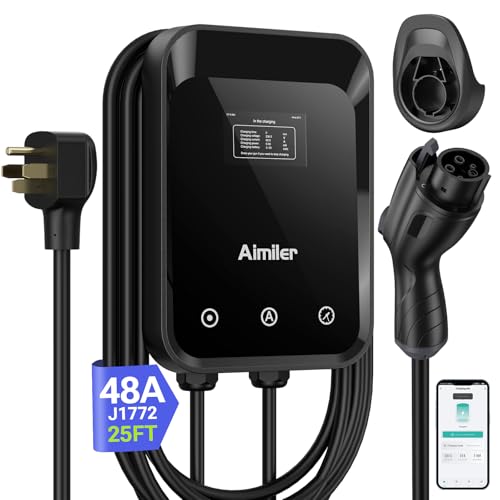
Level 2 Home Chargers On Sale
The 240 volt units that do the real work, adding roughly 25 miles of range an hour.

Tesla and NACS Chargers On Sale
The Tesla connector, now a published standard, and increasingly the plug on new cars from other makers too.


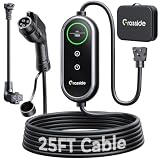
Portable and Travel Chargers On Sale
Units that plug into an outlet rather than being fixed to the wall. Useful for renters, road trips and anyone who moves often.


Where to Shop EV Chargers
Buying direct from the charger makers is unusually worthwhile here, because that’s where the bundles and the current-model clearance live. All four below are stocked right now.
How to Pick the Right EV Charger
You drive a normal daily commute. A 32 or 40 amp Level 2 on a 50 amp circuit covers essentially everyone. Overnight is a long time, and 40 amps refills far more range than a day of driving uses.
You have an older panel. Don’t assume you need a service upgrade. Buy a charger that can be dialled down in software, or ask your electrician about load management, both of which are cheaper than a new panel.
Your household has two different plugs. Buy the connector that matches the car you charge most, and use a certified adapter for the other one. Adapters are covered by a proper safety standard now.
You rent, or you expect to move. Plug-in, on a NEMA 14-50. You give up the top amperage band and you keep the ability to unscrew it and take it with you.
You want a utility rebate. Read the programme rules before you buy the charger. Several require Energy Star certification and an approved installer, and people are refused every year for buying the hardware first.
EV Charger Sale FAQ
The Bottom Line
The rules changed this summer, so ignore any advice written before it. The federal credit for home charging equipment expired at the end of June 2026, which means the sale price and your utility’s rebate are now the entire saving, and the rebate usually comes with conditions you need to read before you buy rather than after. On the hardware itself the decisions are simple: match the connector to the car you own, size the circuit at 125 percent of the charger’s output, and hardwire unless you plan to take it with you. A 40 amp unit on a 50 amp circuit is the right answer for almost every household, and Labor Day weekend is a fair time to buy one.
