 Skip to content
It’s a decent window, though ladders don’t swing as hard as most of the garage category. They’re slow moving, bulky stock that retailers hold year round rather than clear seasonally, so the discounts tend to be steady rather than dramatic. What does happen over the long weekend is that home improvement stock gets promoted alongside everything else, and the fiberglass and multi position models, the expensive ones, are where the meaningful dollars come off. If you’re buying a basic step ladder, honestly, buy it whenever you need it. If you’re buying an extension or articulating ladder, timing is worth something.
Ladders are one of the few things in the house where buying the cheap option can genuinely hurt you, and the specification that matters most is printed on a sticker almost nobody reads. Below you’ll find live pricing sorted so the biggest markdowns sit at the top, plus a plain explanation of duty ratings, materials and the height you actually need.
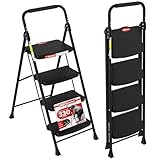
Ladder Deals On Sale Right Now
Every one of these is discounted right now, priced lowest first.


Duty Ratings, The Spec That Actually Matters
That rating covers you plus your clothing, tools and whatever you’re carrying, not just your body weight. It’s the number people ignore and the one that decides whether a ladder is safe for the job.
| Rating | What It Really Means |
|---|---|
| Type III, 200 lb | Light household duty. Fine for changing a bulb, and genuinely not enough once you add a person, a toolbelt and a gallon of paint. Most regretted purchase in the category. |
| Type II, 225 lb | Medium duty. Adequate for ordinary homeowner jobs, though the margin is slimmer than the number suggests once you’re carrying anything. |
| Type I, 250 lb | Heavy duty, and the sensible floor for anyone doing real work. This is where most people should start rather than stop. |
| Type IA, 300 lb | Extra heavy duty. The rating professionals buy, noticeably sturdier underfoot, and worth the premium if you’ll ever carry tools up it. |
| Type IAA, 375 lb | Special duty. More ladder than a house needs, but the price gap over IA is often small enough to be worth taking on sale. |
What Actually Counts as a Good Ladder Deal
Ladders are cheap to buy badly and expensive to regret, so the usual rule of taking the biggest percentage off doesn’t serve you well here.
- Buy the duty rating up: The jump from Type II to Type I is usually modest in dollars and substantial in how the ladder feels underfoot. On a sale, take the upgrade rather than the saving.
- Fiberglass if there’s any electrical risk: Aluminum conducts, fiberglass doesn’t. If you’ll ever be near a service line, a light fitting or an outdoor drop, that isn’t a preference, it’s the whole decision.
- Height works out shorter than you think: You shouldn’t stand on the top two rungs of a step ladder, and an extension ladder has to overlap and lean, so its usable height is well below its stated length.
- Multi position costs more and earns it: Articulating ladders work as a step ladder, an extension and a scaffold base. Heavy to carry, but for one ladder in a small garage they genuinely replace three.
- Weight is a real specification: A ladder that lives in the loft because it’s too heavy to move isn’t a bargain. Compare weights before you compare prices, particularly at the taller extension sizes.
Step Ladders On Sale
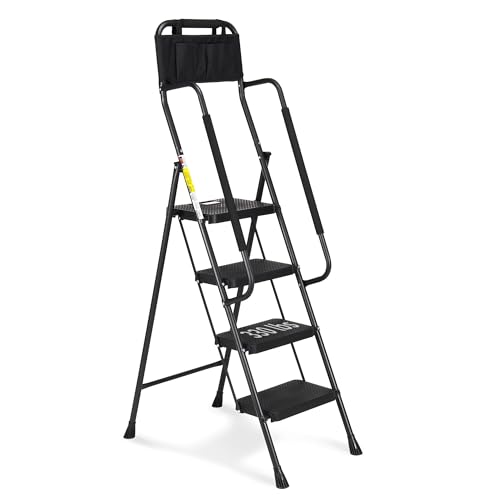
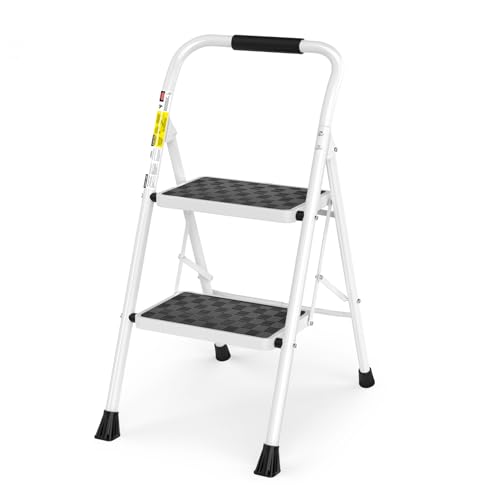
The two to eight foot ladders most households actually need. Buy a higher duty rating than feels necessary and you’ll never think about it again.


Extension Ladders On Sale
For gutters, roofs and second story work. Remember the overlap and the lean, because usable height is always less than the number on the box.


Multi-Position and Telescoping Ladders On Sale
Articulating models that fold into a step ladder, an extension or a scaffold base. One ladder instead of three, at the cost of weight.


Ladder Accessories and Stabilizers On Sale
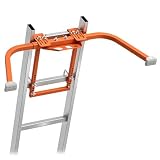
Standoffs, levelers, roof hooks and stabilizer bars. The cheap parts that make a ladder meaningfully safer to work from.





Where to Shop Ladders
Ladders are bulky and expensive to ship, so local stock and collection often beat a slightly better online price. These five cover the range from household step stool to trade grade.
How to Pick the Right Ladder
Changing bulbs and reaching shelves: A two or three step stool with a handrail. Sturdier than a chair, stores flat, and it’s the one most households actually use weekly.
General indoor work and painting: A six foot step ladder at Type I or better. This handles standard ceilings comfortably and leaves margin for you plus a paint can.
Cleaning gutters on a single story: A 16 to 20 foot extension ladder, plus a stabilizer bar. The stabilizer keeps the rails off the gutter itself, which is what usually gets damaged.
two story work or roof access: A 24 foot extension in fiberglass if there’s any chance of contacting a service line. Get help setting it up, because the weight is the dangerous part.
Only room for one ladder: A multi position articulating model. It’s heavier and pricier than a single purpose ladder, but in a small garage it replaces the three you’d otherwise need.
Ladder Sale FAQ
The Bottom Line
This is the rare category where we’d tell you to spend the discount rather than pocket it. Take the higher duty rating, because the difference is small in dollars and obvious the moment you’re standing on it. Choose fiberglass anywhere electricity is a possibility. Work out your real reach rather than trusting the length on the box, and if you only have room for one ladder, a multi position model genuinely does the job of three. A basic step ladder you can buy any day of the year, so don’t wait on that one.
